Reading comprehension is the ultimate goal of reading instruction. This lets students use reading as a lifelong tool for learning.
What is Reading Comprehension?
 Reading comprehension refers to the ability to understand, interpret, and apply what you read.
Reading comprehension as a part of literacy development
How do the other aspects of literacy development support reading comprehension? Phonological awareness skills, together with phonics skills, help students connect the sounds and symbols of language to break the reading code and begin decoding words.
With plenty of practice decoding words by linking letters and sounds, students build a large bank of words that they recognize automatically. This large bank of sight words makes reading fluency possible.
Fluency supports reading comprehension by allowing students to focus their attention on the meaning of what they read rather than using energy decoding many of the words.
The building blocks of reading comprehension
A student’s vocabulary and background knowledge are the foundational building blocks for reading comprehension. Children who take part in frequent, rich conversations that help build vocabulary and background knowledge are at an advantage when learning to read.
The early years are crucial for a child’s long-term success in reading. It is essential to include activities throughout the school day that build language skills and let children explore new ideas and information.
Oral language development and listening comprehension skills are strongly linked to reading comprehension. As children acquire the reading skills to match their listening ability, this connection grows. By fifth grade, listening comprehension and reading comprehension are even more closely related than for younger students, according to early literacy expert Julie Christensen.
Strategies for Building Reading Comprehension Skills
 Students with the vocabulary and content knowledge that’s relevant to a particular text are able to connect what they’re learning with what they already know. They can make the inferences needed to fully comprehend what the text is saying.
That’s why it’s so effective for educators to combine content learning with reading instruction. This is especially true in core curriculum areas like science, math, social studies, and art. This combined approach to instruction helps grow the vocabulary and background knowledge needed for reading comprehension.
It’s also helpful to teach students comprehension strategies, like how to make predictions before and during reading, and how to summarize a text. You can encourage students to reflect on the questions that come to mind as they read so they can check their own comprehension. Graphic organizers are also helpful. They can help students see the structure of a text, and organize the ideas it presents. provide effective frameworks for understanding text structure and arranging ideas conveyed in the text.
But only focusing on comprehension strategies can not be a substitute for a broad vocabulary and content knowledge, writes educational David A. Kilpatrick in his book Essentials of Assessing, Preventing, and Overcoming Reading Difficulties.
Instead, comprehension strategies can serve as useful tools for students who already have the requisite vocabulary and background knowledge.
Free Children’s Books for Building Vocabulary Skills and Background Knowledge
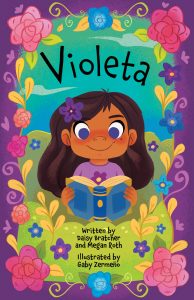
These downloadable books and accompanying resources can help students strengthen the building blocks of reading comprehension: vocabulary skills and background knowledge. Those are the building blocks of reading comprehension.
The books are written to be accessible to K-2 students on relatable topics for young readers, and all are available in English and Spanish.
1. Violeta (click here for Spanish): Violeta likes to read, but sometimes she feels a little shy. With the help of her family and her love of books, can she gain newfound confidence? Use this classroom activity guide to extend reading and build comprehension.
2. Defying Gravity: The Story of Mae Jemison (Spanish: Desafiando la gravedad: La historia de Mae Jemison): Mae Jemison follows her love of art and science and becomes the first Black woman to travel into space. Continue the journey with this classroom activity guide and family activity guide (Spanish).
In addition to the books above, share this Reading Together bookmark (Spanish) with families as a guide for making the most of shared reading experiences at home.
Explore Science of Reading Resources for Educators
Read Waterford’s Science of Reading article series to learn about research-based instructional strategies for creating classroom lesson plans. Get started with:
- How to Teach Phonics & Decoding Skills
- Ways to Teach Communication Skills
- How to Teach Language Concepts Skills
Find on-demand video series led by early education experts through Waterford’s Science of Reading Webinar Library, featuring topics chosen with educators in mind like:
- An Overview of the Science of Reading: From Research to Instruction
- Phonological Awareness: The Structure of Spoken Language
- Professional Learning: Teaching the Science of Reading
- And more!
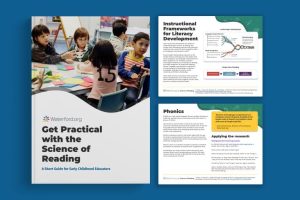
Download ‘Get Practical With the Science of Reading’
Find out more about the latest in the Science of Reading. Download this free ebook to explore the latest research on the science of reading, methods to teach phonics and decoding skills, and more.