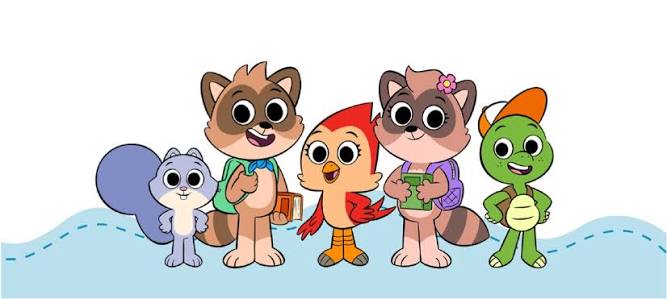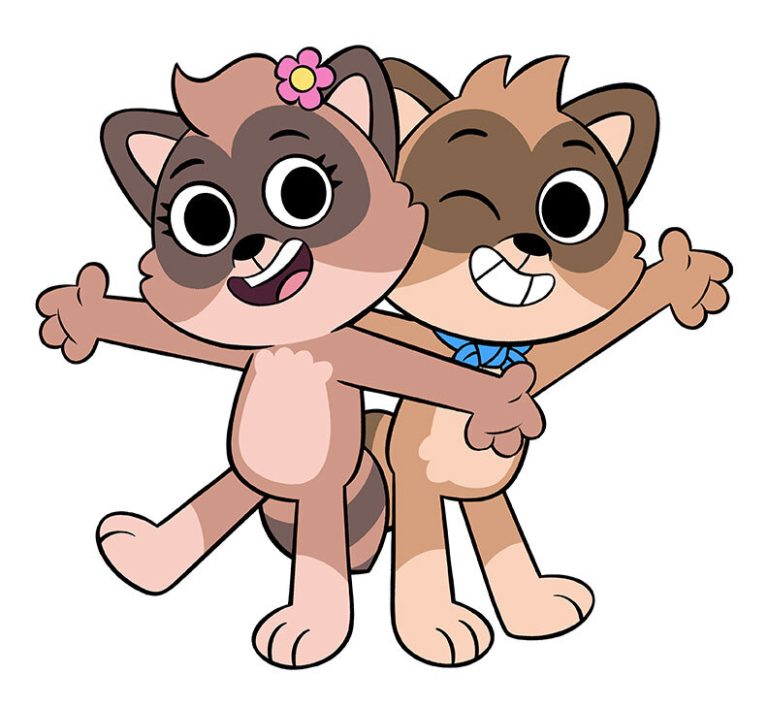
For fifty years, Waterford.org has partnered with families and educators to make early learning joyful, accessible, and part of everyday life. As we celebrate this milestone, we’re reflecting on one of the most recognizable threads in our history: Rusty & Rosy, and the friendly characters who have helped generations of young children build confidence in reading, math, and science.
These companions didn’t just teach lessons. They became part of daily routines, childhood memories, and shared learning experiences in homes and classrooms. Their story is really the story of the children who welcomed them in, and the families and educators who shaped what Waterford would become.
How it Began
Rusty & Rosy first appeared in 1994, becoming one of the most recognizable parts of the learning experience as technology made more interactive tools possible. At a time when most educational technology felt mechanical, Waterford wanted something different — characters who felt like trusted companions.
Rusty’s upbeat energy and Rosy’s gentle encouragement quickly became part of children’s daily routines. Families shared how their children sang Rusty & Rosy songs around the house, asked to “play with Rusty and Rosy,” or showed younger siblings how to use the program. Those moments shaped how Waterford continued to build its learning experience.
A New Generation of Learning Companions
As Waterford grew, so did the world of learning companions. Teo Turtle, Cora Cardinal, and other friends were introduced to help children feel supported, confident, and excited as they practiced new skills.
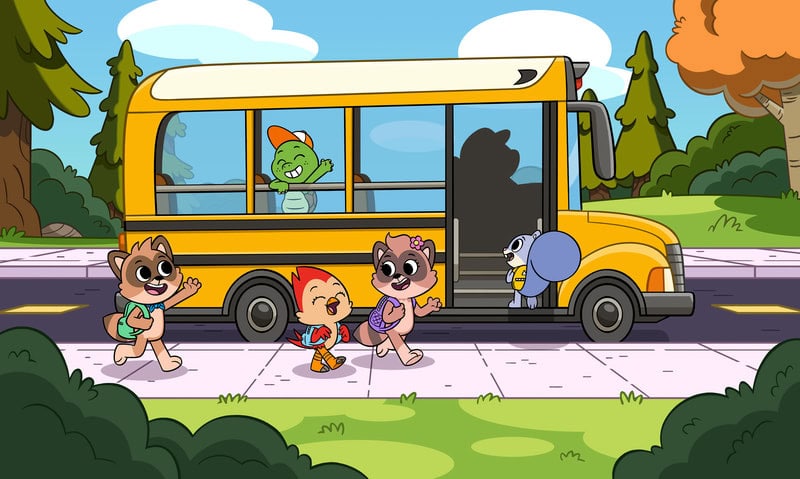
- Teo Turtle: an endlessly encouraging support for early math
- Cora Cardinal: a curious friend who celebrates learning about the world through science
- Scout Squirrel: an energetic reading buddy
- Wyatt: a helpful learning guide
These companions were created with the same intention that shaped Rusty & Rosy: to meet children where they are, spark joy, and support the adults who guide their learning at home and in classrooms.
The most meaningful part of the story was never the characters themselves. It was how children interacted with them. Families and educators shared how Teo’s encouragement helped their young learner stay focused, how Cora’s calm presence made new skills feel less intimidating, and how these companions became part of daily routines across learning environments.
How Their Look Has Evolved Over Time
Over the years, Waterford’s characters have grown alongside the children they support. Early designs were simple and charming, built for the technology of their time. As Waterford’s programs expanded, the visual style evolved too, becoming brighter, more expressive, and more aligned with today’s young learners. Scout, Teo, Wyatt, and Cora reflect that evolution: friendly, modern companions designed to feel welcoming on any screen. Their updated look helps children stay engaged, and it gives families a clear, consistent visual experience across lessons.

Families and Children Drive Our Evolution
Over the past fifty years, the people closest to children’s learning, their experiences, feedback, and traditions shaped every update, every new character, and every redesigned lesson.
Caregivers and teachers showed us what made children light up, kept them engaged, and made learning feel natural in both homes and classrooms. Children showed us what they connected with, what made them laugh, and what helped them feel proud of their progress.
Rusty & Rosy, Scout, Teo, Cora, and all of Waterford’s companions exist because families and educators helped us understand what joyful learning looks like.
A Legacy That Lives On
Today, Waterford continues to evolve, but the heart of the experience remains the same: joyful learning that begins wherever children learn — at home, in classrooms, and in communities. Rusty & Rosy still spark nostalgia for families and educators who used Waterford decades ago, while Scout, Teo, and Cora support a new generation of learners.
As we celebrate Waterford’s 50th anniversary, we’re honoring the families and educators who made learning part of children’s everyday lives and the children whose curiosity and energy shaped our programs. Their stories are the legacy. Their growth is the celebration. Their futures are what the next fifty years are all about.